cryptopayments
What Should Merchants Do After Crypto Payment Gateway Regulations Changed in 2026?
Learn what should merchants do after crypto payment gateway regulations changed in 2026: scope exposure, update contracts, and fix messaging.
Practical guides for developers and businesses accepting cryptocurrency — security, integration, architecture, and operations.
Learn what should merchants do after crypto payment gateway regulations changed in 2026: scope exposure, update contracts, and fix messaging.
Learn whether is Payora compliant with GDPR data retention rules for payment logs depends on fields, purpose, retention periods, and deletion controls.
Learn why a non-custodial crypto payment gateway is a non-custodial crypto payment gateway subject to PCI DSS only when card data is involved.
Learn why a non-custodial crypto payment gateway compliant with GDPR depends on data roles, legal basis, and personal data handling.
What changed in crypto payment checkout regulations in 2026 and what merchants should do: update disclosures, refunds, and regional checkout text.
Learn when a self-hosted crypto payment gateway compliant with PCI DSS is needed, and what controls affect card-data scope.
Learn what crypto payment invoice limits mean, why they exist, and how they affect merchants, customers, and settlement flows.
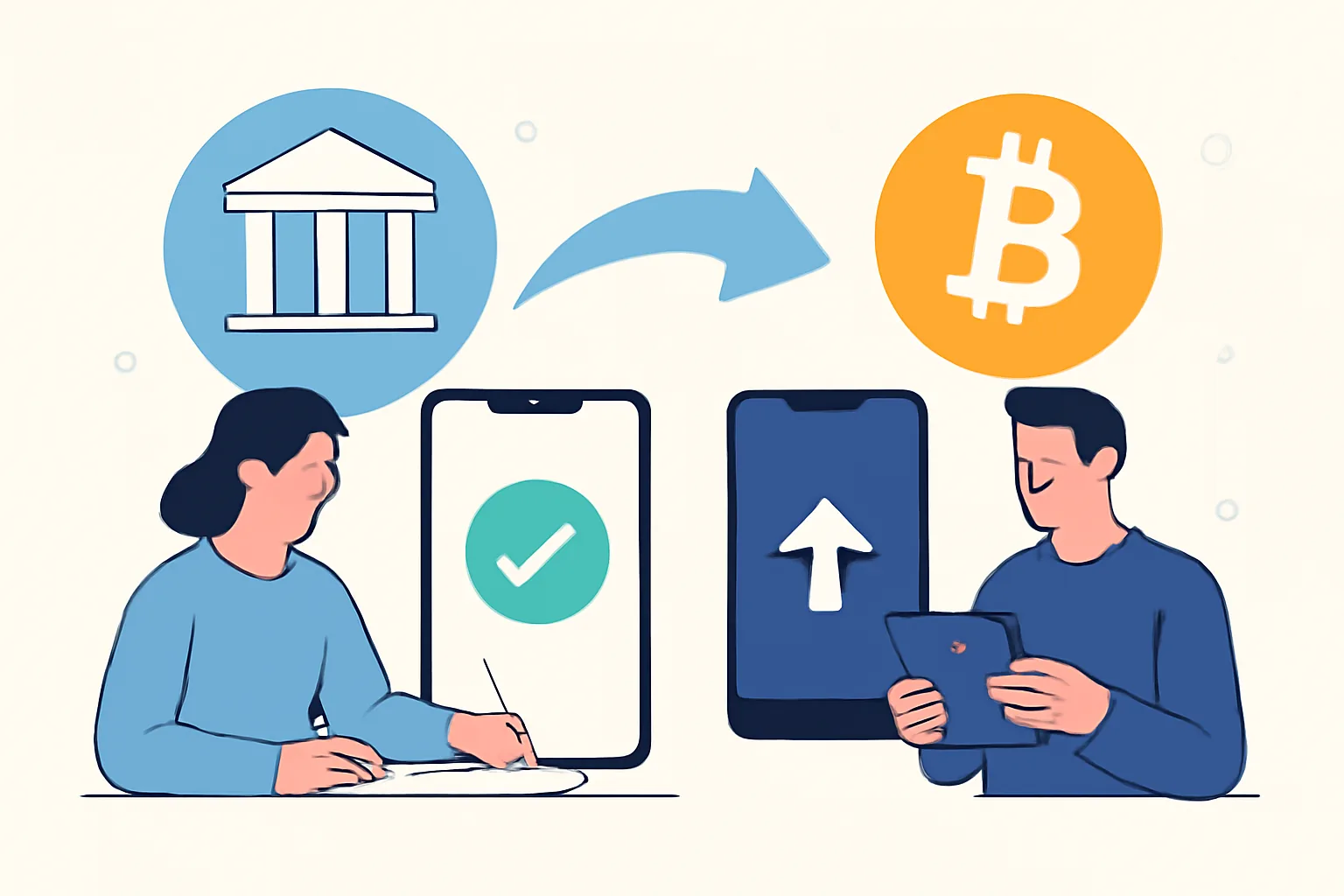
Learn how to migrate from manual bank transfers to crypto payments with a practical workflow for speed, compliance, and reconciliation.
Learn how to handle crypto chargeback disputes by checking transaction type, collecting evidence, reviewing policies, and resolving claims fast.
What changed in crypto payment gateways in 2026 and what should merchants do now? See the latest checkout, compliance, stablecoin, and reporting shifts.
Learn how a crypto payout ledger records outgoing crypto payments, supports reconciliation, and helps accounting, audits, and compliance.
Create an account and have your first invoice running in under an hour.