Next.jscrypto
How to accept crypto payments on a Next.js website
Learn how to accept crypto payments on a Next.js website with checkout flow, provider setup, UI, invoices, and payment verification.
Practical guides for developers and businesses accepting cryptocurrency — security, integration, architecture, and operations.
Learn how to accept crypto payments on a Next.js website with checkout flow, provider setup, UI, invoices, and payment verification.
Learn how to fix duplicate crypto payment credits by checking hashes, timestamps, wallet addresses, and gateway settings before reversing entries.
Learn why a self-hosted crypto payment gateway is a self-hosted crypto payment gateway subject to GDPR data retention rules and how retention works.
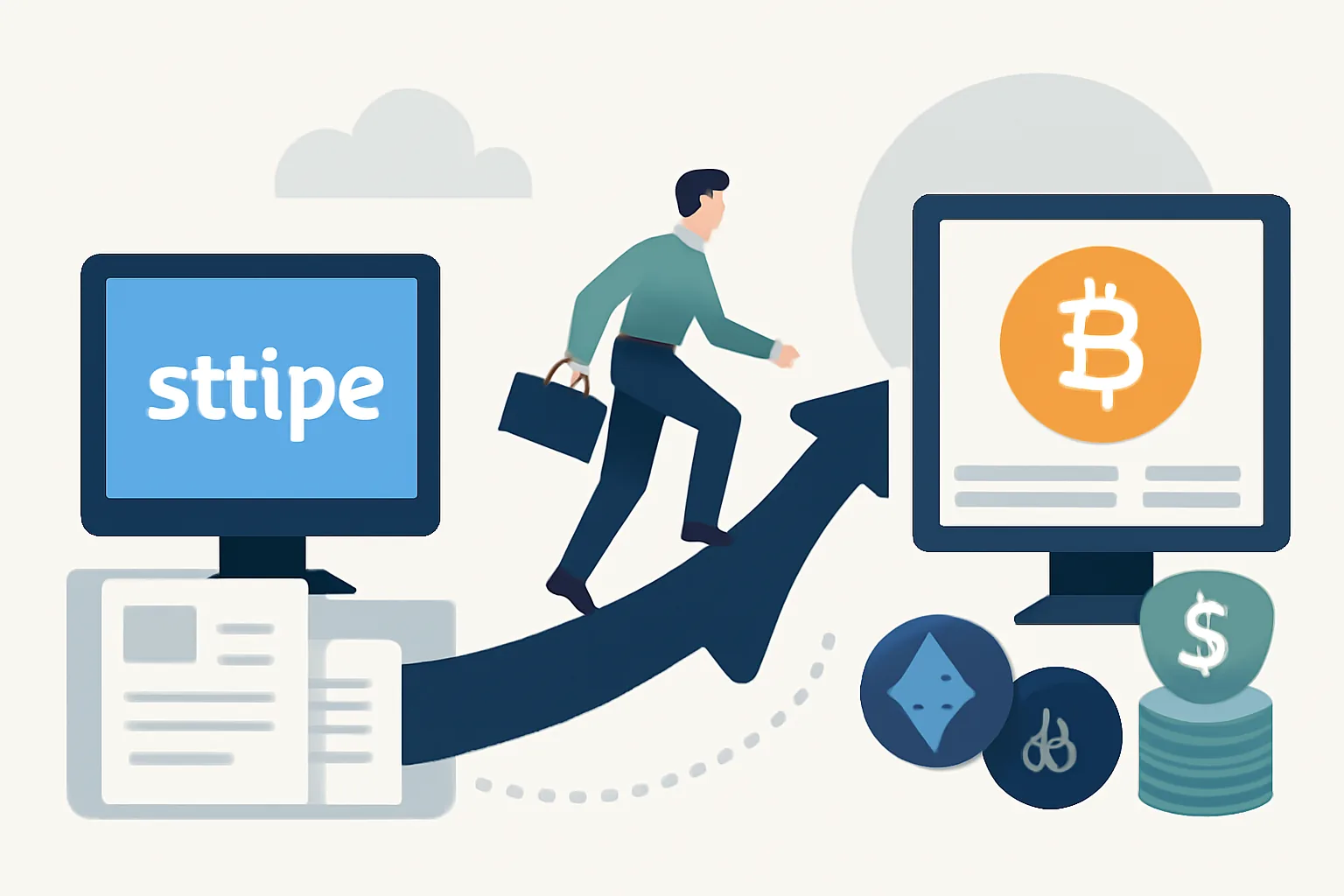
A practical guide on how to migrate from Stripe to a crypto payment gateway, covering checkout flows, compliance, fees, and settlement.
Learn how to verify Payora signed webhooks in PHP by capturing the raw payload, recreating the signature, and comparing it safely.
Should I use fixed price or live exchange rate for crypto checkout? Learn which option fits volatility, margins, refunds, and customer experience.
Learn what crypto payment invoice limits mean, why they exist, and how they affect merchants, customers, and settlement flows.
Is non-custodial crypto payment processing legal in the EU? Usually yes in principle, but MiCA, PSD2, AML, and e-money rules can still apply.
Learn how to migrate from manual bank transfers to crypto payments with a practical workflow for speed, compliance, and reconciliation.
Learn how to track crypto payment conversion by coin with clean payment records, conversion events, and coin-by-coin reporting.
Learn how to handle crypto chargeback disputes by checking transaction type, collecting evidence, reviewing policies, and resolving claims fast.
Learn how GDPR and crypto payments intersect, which data is personal, and how merchants choose lawful bases and roles.
Create an account and have your first invoice running in under an hour.